
Construction and refurbishment projects within live environments present a unique set of challenges. Whether within residential buildings, schools, commercial premises, or occupied public facilities, works must be carefully planned around the day-to-day operation of the building.
From our experience across a range of occupied projects, successful delivery depends on recognising that the site is not simply a construction project. It is an active environment where people continue to live, work, learn, and operate throughout the works.
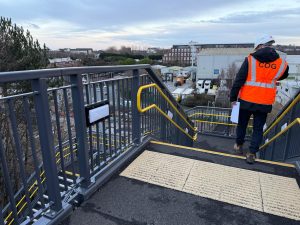
Safety Comes First
In live environments, safety extends beyond the construction site itself.
Clear separation between construction activities and building users is essential and often requires phased working, secure hoarding, controlled access routes, temporary wayfinding, and strict site management procedures.
The approach naturally varies depending on the building type. In schools, safeguarding and pupil safety are key considerations. In residential environments, maintaining safe access for occupants and minimising disruption within communal areas becomes particularly important.
Early planning around logistics, access, and site setup plays a significant role in reducing risk from the outset.
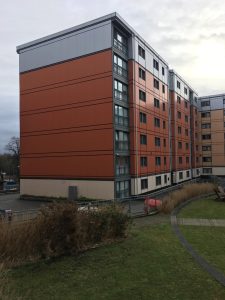
The Programme Needs to Reflect the Building’s Operation
Unlike vacant-site construction, occupied projects must often be planned around existing operations and user requirements.
Works may need to accommodate school term dates, business operating hours, resident access requirements, or periods of peak activity. Noisy or disruptive activities may also need to be carefully scheduled outside normal working hours.
This can place additional pressure on programme delivery, particularly where access periods are limited or the continued operation of the building is critical.
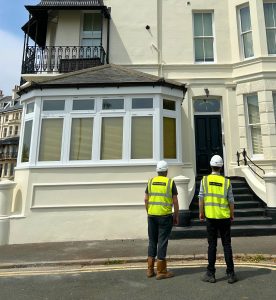
Communication Makes a Difference
Clear communication between the project team, contractor, and building users is essential throughout the project.
Occupants and stakeholders need to understand what is happening, when works are taking place, and how they may be affected. Regular updates help manage expectations and reduce frustration, while feedback from building users can often help identify issues early.
On occupied projects, good communication is often just as important as technical coordination.
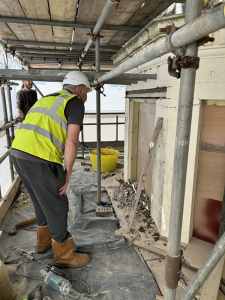
Flexibility is Important
Even with careful planning, live environments can be unpredictable.
Operational requirements can change, unforeseen building conditions may emerge, and access limitations can require adjustments during construction. This is particularly common on refurbishment projects where elements of the existing building only become apparent once works begin.
A collaborative and flexible approach from the wider project team is often key to maintaining progress while accommodating the ongoing needs of the building and its users.
Delivering projects in live environments requires more than technical expertise. It requires careful planning, communication, and an understanding of how people continue to rely on the building throughout the works.
When these factors are considered early, projects can often be delivered safely and efficiently while minimising disruption for occupants, staff, residents, and visitors.