
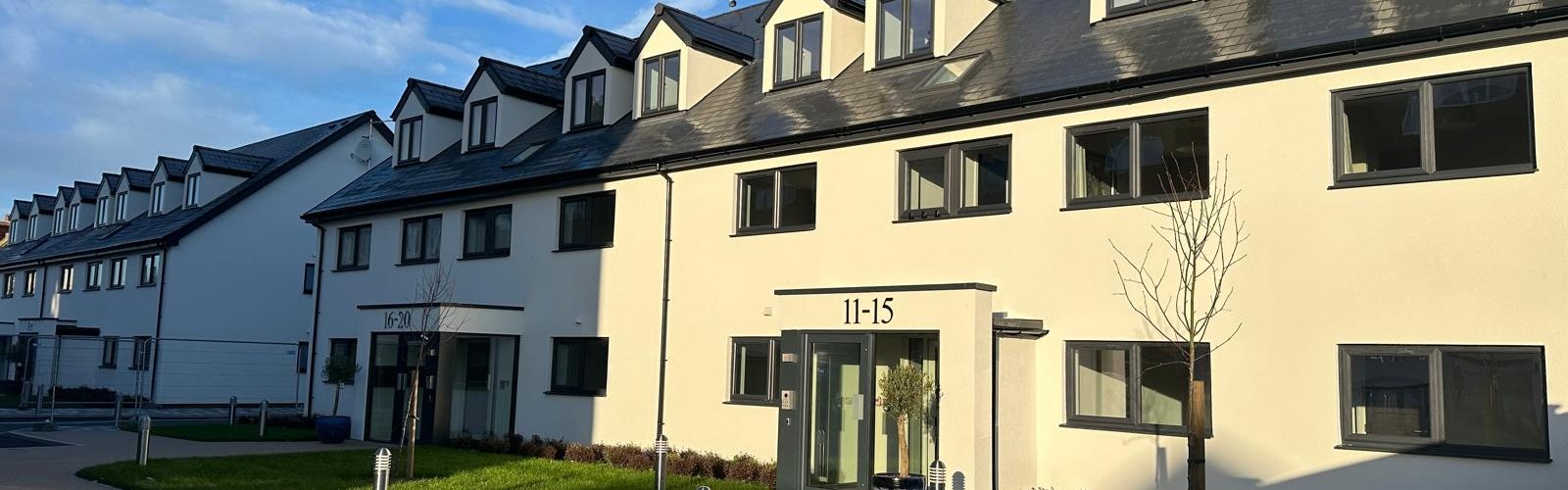
Over the past few weeks, we have been involved in a range of projects at very different stages, from defects inspections on completed works, to reroofing schemes nearing final account, to early-stage discussions on a new industrial unit.
Although the sectors differ, one principle remains consistent: maintaining control as projects evolve.
Decisions do not stop at the start
It is easy to think of cost planning as something that happens at the beginning of a project. In reality, financial control continues throughout delivery.
At pre-construction stage, scope and specification are tested before commitments are made.
As projects near completion, final valuations and variations are reviewed carefully.
At defects stage, attention turns to ensuring outstanding works are properly addressed and contractual obligations are fulfilled.
Each stage carries its own pressures, and each requires steady oversight.
The impact of incremental change
On live schemes, adjustments arise for sensible reasons. A detail is refined following a site visit. A precaution is added. An element of work is clarified.
None of these decisions are inherently problematic.
However, without monitoring their cumulative effect, incremental change can:
- reduce contingency,
- alter priorities,
- affect programme,
- and gradually move a project away from its original budget position.
Regular reporting and clear visibility of committed expenditure allow these shifts to be understood and managed.
Early clarity makes delivery smoother
Where scope and cost planning are carefully reviewed before works commence, there is greater flexibility.
On industrial schemes in particular, early discussions around operational requirements, servicing, and sequencing can significantly reduce the likelihood of mid-project adjustment.
The earlier options are tested, the easier they are to accommodate.
Oversight at every stage
From rail station improvements to education facilities and commercial developments, the nature of the project may vary. The requirement for steady financial oversight does not.
Cost management is not about dramatic savings or headline adjustments. It is about:
- clarity of scope,
- proportionate decision-making,
- accurate valuation of works completed,
- and visibility of change throughout the programme.
Final thoughts
Effective project delivery rarely hinges on one major decision. More often, it depends on a series of smaller ones made throughout the process. Maintaining control means understanding how those decisions affect the wider picture – at defects stage, mid-construction, and before works even begin.