
Planned Preventative Maintenance (PPM) is often perceived as a routine or administrative exercise. In practice, it is one of the most effective tools available to property owners and asset managers for managing risk, controlling long-term costs and ensuring compliance.
Over recent months, we have been working with a number of property managers across different building types, helping them review and formalise their maintenance strategies. A consistent theme we see is that where maintenance has evolved reactively over time, decision-making becomes pressured, costs increase and risks are harder to manage.
Across education estates, commercial properties and older buildings in particular, the absence of a structured maintenance strategy frequently leads to short-term fixes rather than planned intervention. This approach often results in higher overall expenditure, increased disruption to occupiers and avoidable safety or compliance concerns.
Understanding the purpose of PPM
At its core, PPM is about understanding the condition of a building and anticipating how that condition is likely to change over time. Regular inspections allow emerging defects to be identified early, when they are typically simpler and more cost-effective to address.
From a Building Surveyor’s perspective, this involves assessing the condition of key elements such as roofs, external fabric, services and structural components. From a Quantity Surveyor’s perspective, the information gathered through inspections provides the basis for forecasting expenditure, prioritising works and advising on how maintenance can be phased realistically.
Where these disciplines work together, maintenance planning becomes a strategic exercise rather than a reactive one. In our experience, this combined approach gives clients greater confidence in both the technical recommendations and the associated costs.
Risk management and compliance
One of the most important roles of PPM is managing risk. Many defects do not present an immediate problem but can develop into safety hazards or compliance issues if left unaddressed. During recent inspections, we have seen relatively minor issues—such as early signs of water ingress or deterioration to external elements—become more significant where no structured review process was in place.
Regular inspection and reporting allow risks to be identified, assessed and managed proportionately. This is particularly important for buildings with statutory obligations, including schools, public buildings and residential blocks.
A structured PPM plan helps ensure that:
- safety-critical issues are identified and prioritised,
- compliance requirements are monitored,
- maintenance decisions are supported by clear evidence.
Cost certainty and budget planning
Maintenance is often one of the most challenging areas for budget planning. Without clear information, expenditure can feel difficult to justify and long-term planning becomes uncertain.
By contrast, a well-prepared PPM schedule allows clients to:
- understand likely future costs,
- phase expenditure sensibly over a number of years,
- reduce the risk of unplanned and disruptive repairs.
From a Quantity Surveying perspective, early visibility of maintenance requirements allows costs to be benchmarked, tested and aligned with available budgets. In practice, this helps clients move away from reactive spending and towards a more controlled and predictable approach to asset management.
Supporting long-term asset management
PPM is not about doing more work; it is about doing the right work at the right time. In many cases, relatively modest interventions carried out early can significantly extend the life of building elements and reduce the need for major replacement works later.
For older and historic buildings in particular, this approach can be critical. Planned maintenance allows original materials and character to be retained, while still managing risk, compliance and cost in a practical way.
Conclusion
Planned Preventative Maintenance should be viewed as an investment in understanding and managing building assets. Based on our recent experience working with property managers, a coordinated approach (bringing together technical inspection and cost planning) provides a robust framework for managing risk, maintaining compliance and controlling long-term expenditure.
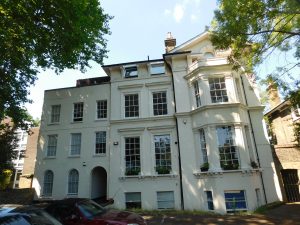
Client testimonial from Emma Catterall at EVC Property Management:
“At EVC Property Management Ltd., we strongly support the use of planned preventative maintenance (PPM) and long-term costed maintenance plans. The Royal Institution of Chartered Surveyors (RICS) emphasises that adequate reserve funds are essential to maintain buildings and service items over time, and to reduce the likelihood of large, unexpected charges to leaseholders for major works. We always advise our clients to engage a qualified building surveyor to prepare a costed 10-year maintenance plan, allowing us, as their managing agent, to budget effectively for the works required. Not all clients take up this recommendation, and without it, we cannot guarantee that reserves will cover forthcoming expenditure.
Our experience working with Cyril Orchard at Pond Road has been excellent. The property – a detached four-storey Victorian building converted into flats, with a later extension – had suffered from a lack of cyclical maintenance, resulting in extensive external redecoration needs, water ingress, timber deterioration, and defective above-ground drainage. As property managers, it is impossible for us to identify all such issues without a surveyor’s expertise. Cyril Orchard’s drone survey provided a comprehensive view of the building’s condition, alongside clear costings and advice on how to phase the work. Without this crucial information, we could not fulfil our role in guiding the client’s budget or planning future maintenance effectively. Cyril Orchard were professional, approachable, and easy to work with throughout the process.”