


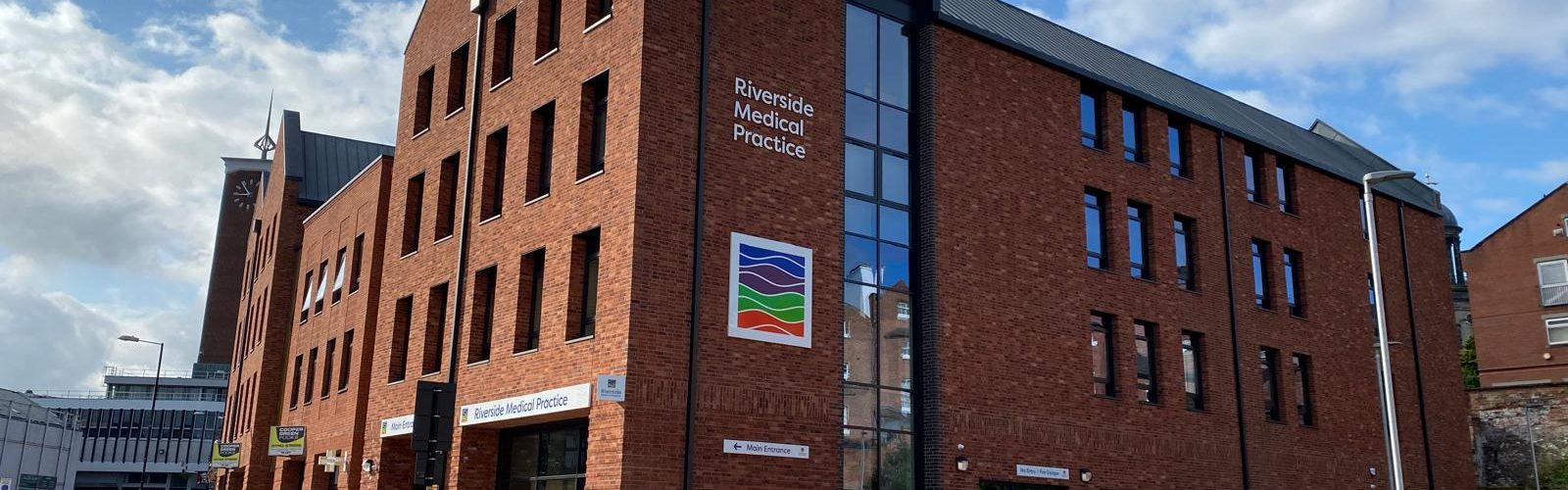
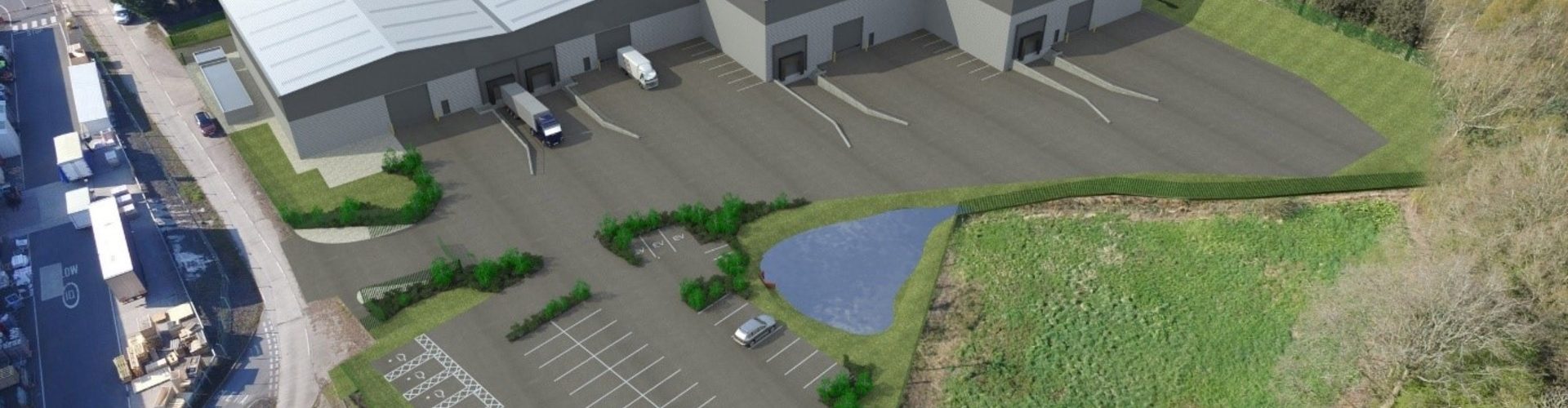
Commercial and industrial projects often represent much more than a new building. For many businesses, they are a direct response to growth, operational change, increased demand or a need to improve the way they work.
Whether the project involves a new warehouse, production facility, office accommodation or distribution space, the building needs to support the client’s operation in practice. It needs to work commercially, logistically and financially.
At Cyril Orchard Group, we are often involved from the early stages of commercial projects, helping clients understand the likely cost, programme, procurement route and risks before key decisions are made.

Understanding the Client’s Operation
A successful commercial project starts with understanding how the client’s business works.
For warehouse and industrial schemes, this can include vehicle movements, loading arrangements, storage requirements, staff welfare, office space, production flows, servicing requirements and future expansion.
These details can have a significant impact on the design, specification and cost of the project. If they are not considered early enough, there is a greater risk of change later when the project is more developed and options may be more limited.
Early discussions between the client, design team and cost consultant help ensure the brief reflects the way the building will actually be used.
 Cost Planning With a Commercial Purpose
Cost planning is not simply about producing a budget. It helps clients understand where investment is being made and why.
Some elements may be essential to the business operation. Others may provide long-term value by improving efficiency, reducing maintenance requirements or allowing for future adaptability.
A clear cost plan helps clients prioritise decisions. It also allows appropriate allowances to be made for items such as external works, drainage, services, statutory requirements, specialist installations and future-proofing.
As the design develops, regular cost reviews are particularly important. They help ensure the project remains aligned with the agreed budget and that any changes are understood before they become fixed.
 Managing Risk Before Works Begin
Commercial projects often carry a range of risks, including planning requirements, ground conditions, services, access, lead-in periods, contractor availability and programme constraints.
These risks cannot always be removed, but they can be identified and managed.
The procurement strategy plays an important role in this. Tender information needs to be clear, contractors need sufficient detail to price the works properly, and assumptions need to be understood before appointment.
This is particularly important where a client has business-critical deadlines, such as a planned occupation date, production requirement or lease commitment.

The Role of the Employer’s Agent and Quantity Surveyor
On many commercial projects, the Employer’s Agent and Quantity Surveyor provide an important link between the client, contractor and design team.
The role involves helping the client make informed decisions, monitoring cost, reviewing progress, managing change, administering the contract and ensuring that the project remains aligned with the agreed brief.
As projects move from design into construction, this oversight becomes increasingly important. Commercial clients often have their own business to run alongside the project, so clear reporting and practical advice can make a significant difference.

Designing for the Long Term
A commercial building should support the client not only at completion, but for many years afterwards.
Future flexibility, maintenance, durability and operational efficiency should therefore be considered from the outset. This might include robust external areas, adaptable internal layouts, efficient servicing arrangements and materials that suit the building’s intended use.
Making these decisions early can help reduce the need for costly alterations later and ensure that the building continues to meet the needs of the business as it develops.
Final Thoughts
Commercial and industrial projects are often driven by ambition. They reflect growth, investment and confidence in the future.
To deliver them successfully, the technical, financial and practical aspects of the project need to be carefully aligned. Clear briefing, realistic cost planning, appropriate procurement and steady project oversight all help turn an initial business requirement into a building that works in practice.
At Cyril Orchard Group, we are proud to support clients through this process, helping them make informed decisions and deliver projects that provide lasting value.